
Medigy

Sleep Therapy Made Simple

CPAP. BiPAP. ASV.
Know the difference.

These devices can look similar. The way they support your breathing is what sets them apart. Get to know the therapy behind each name.

Explore the three types

CPAP

Continuous positive airway pressure
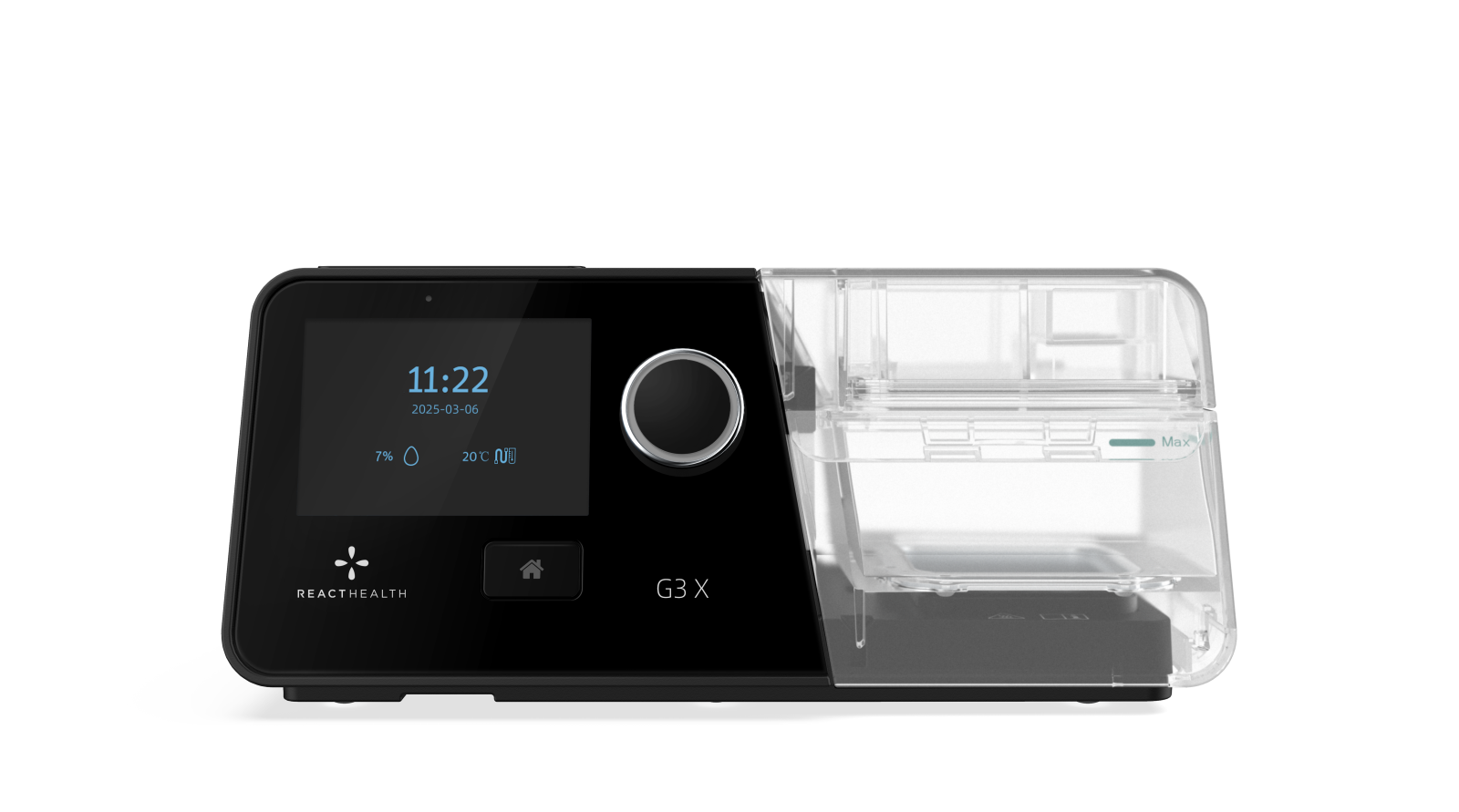
React Health G3 X, a representative CPAP device

React Health G3 X

CPAP / auto-adjusting CPAP example

One treatment pressure

Steady pressure to keep your airway open.

CPAP holds the upper airway open with one prescribed pressure. It is a common treatment for obstructive sleep apnea, where the airway repeatedly narrows or closes during sleep.

Many devices also offer APAP, which adjusts pressure within a prescribed range.
BiPAP

Bilevel positive airway pressure

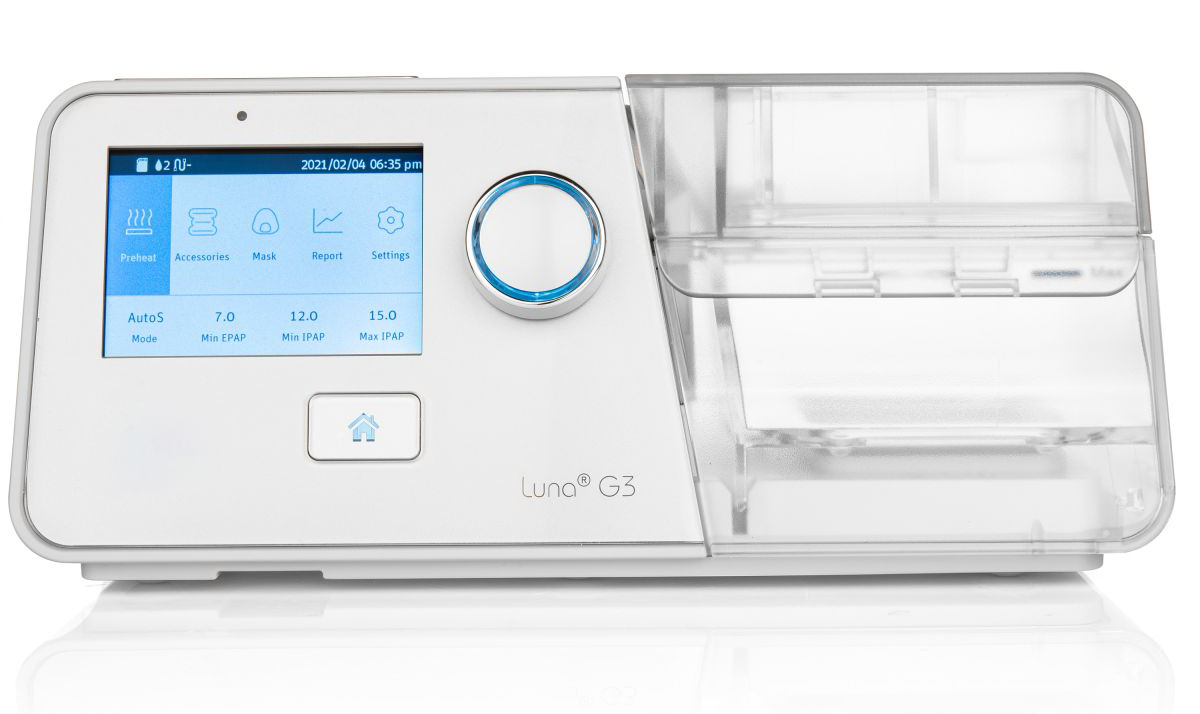
React Health Luna G3 Bilevel 25A, a representative bilevel device

React Health Luna G3 Bilevel 25A

Auto-adjusting bilevel example

Higher in · Lower out

Two pressure levels, timed to your breathing.

Bilevel delivers higher pressure as you breathe in and lower pressure as you breathe out. A clinician may prescribe it when separate pressure levels are needed, including for some people who struggle with CPAP.

You may see BPAP or bilevel on your prescription. BiPAP is a brand name often used for this category.

ASV

Adaptive servo-ventilation

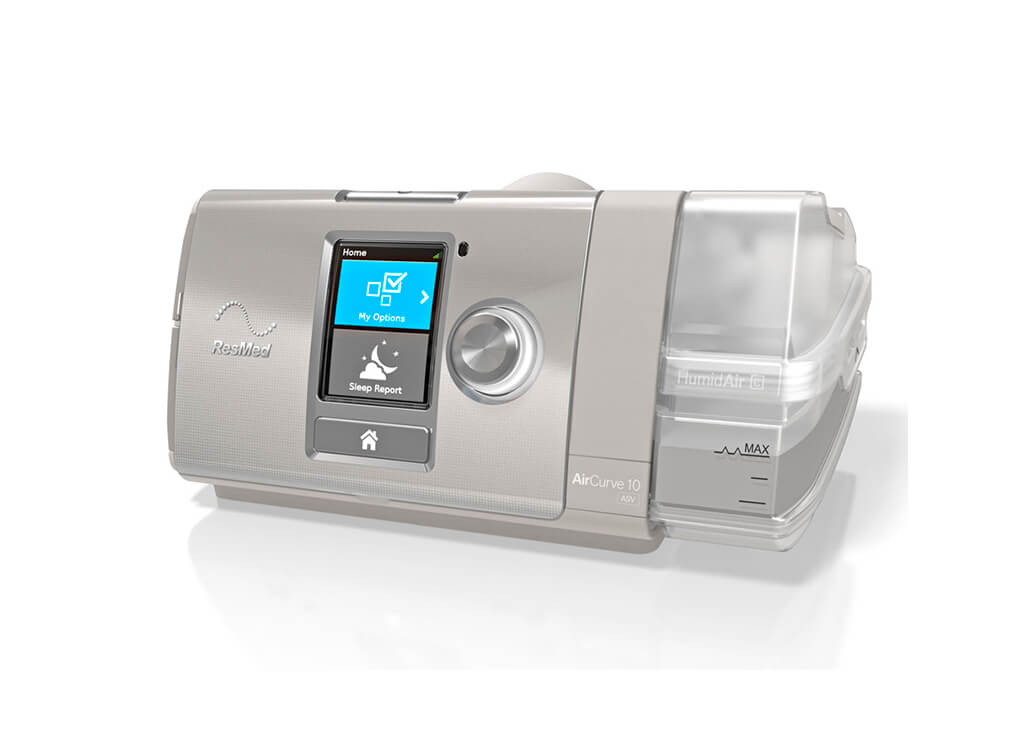
ResMed AirCurve 10 ASV, a representative ASV device

ResMed AirCurve 10 ASV

Adaptive servo-ventilation example

Adaptive pressure support

Breathing support that adapts breath by breath.

ASV is a specialized form of bilevel therapy that adjusts pressure support as breathing changes. A sleep specialist may prescribe it for certain central or mixed apneas, or periodic breathing.

Central apnea involves pauses in the signal to breathe. ASV requires an individual assessment, including heart health.

Devices shown are examples of each category. Your prescribed therapy determines the device and settings; photos do not indicate current stock or a specific device you will receive.

See the difference

It’s all in how
the pressure is delivered.

Select a therapy to explore its pressure pattern. All three deliver air through a mask while you sleep.

CPAP

One steady treatment pressure.

The prescribed pressure stays at one level as you breathe in and out. Ramp and exhalation-relief comfort features can modify how that pressure feels.

Air pressureIllustration only
Simplified CPAP pressure diagram: a horizontal line across three breaths.
The line stays level across each breath.

These simplified sketches show general therapy concepts, not actual device readings or suggested settings. Automatic modes and comfort features can change the pattern.

One more name to know

Where does APAP fit?

APAP means auto-adjusting positive airway pressure. It adjusts the treatment pressure within the range set by your clinician as your airway needs change during sleep.

Fixed CPAP

One prescribed treatment pressure.

Auto CPAP / APAP

Pressure adjusts within a prescribed range.

Get to know your nightly therapy.

Explore mask fit, comfort, cleaning, and device guides.

CPAP Support & Tips

General education. Follow your clinician’s treatment plan and the instructions for your device. Sources checked October 19, 2026.

Sources & device photography

Product photography: React Health and ResMed. Models shown: React Health G3 X, React Health Luna G3 Bilevel 25A, and ResMed AirCurve 10 ASV. BiPAP is a Philips Respironics trademark; bilevel is the general therapy term.